Tourism rental demand
Strong short-term rental demand in tourism hubs like Phuket, Pattaya, and Koh Samui.
Browse published properties in Thailand with the same filters, sorting, and property cards as the main listing.
WHY THAILAND
Strong short-term rental demand in tourism hubs like Phuket, Pattaya, and Koh Samui.
Clear foreign-ownership pathway for condominiums, up to 49% of a project's total unit space.
Leasehold structures available for villas and land, typically 30 years with renewal options.
Growing expat and retiree demand supporting long-term property values.
FEATURED LISTINGS
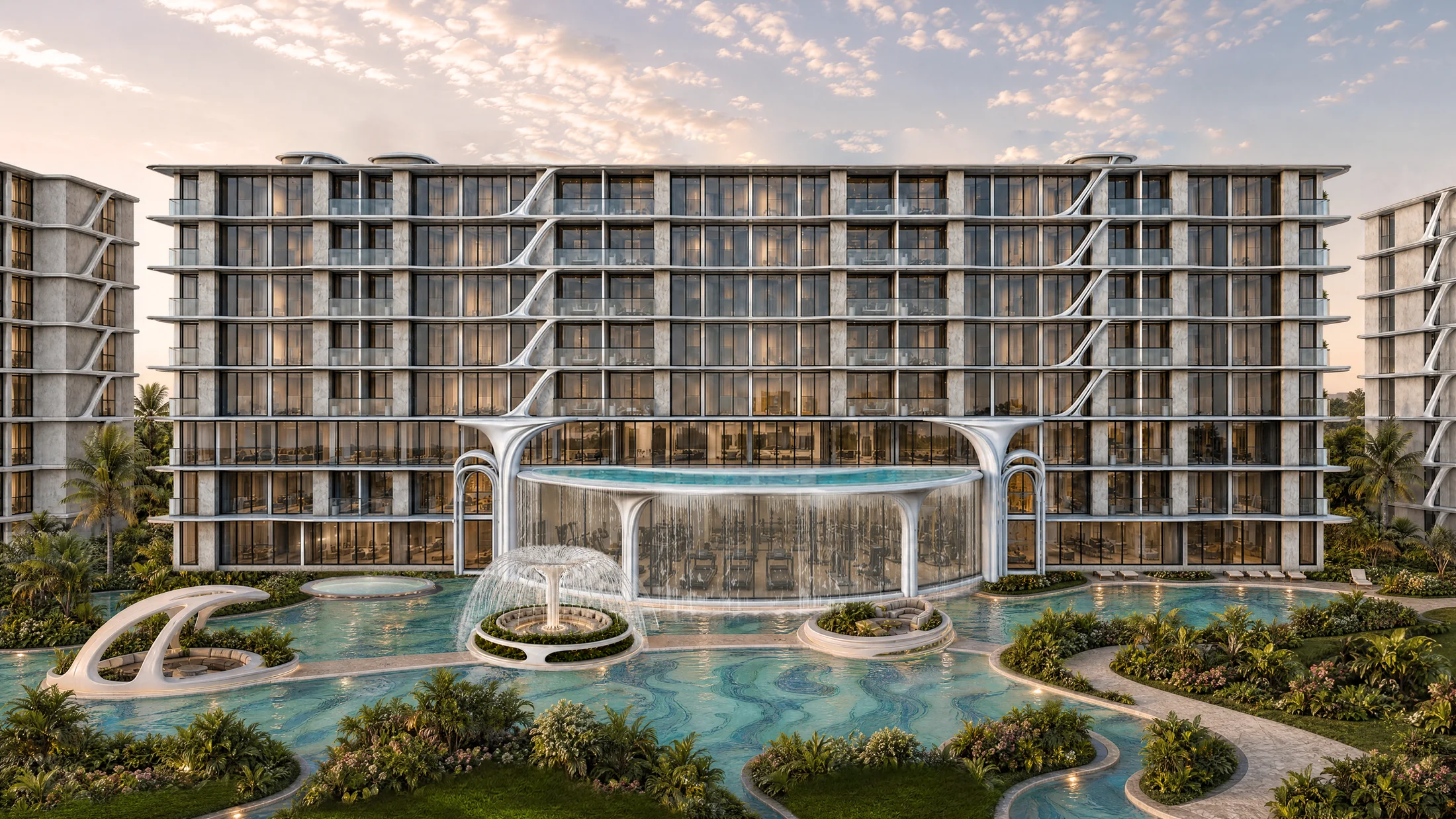
Available
Embassy World Pattaya is the most ambitious project yet from The Embassy Development Co., Ltd. (Empire Group) the same developer behind the completed and well-regarded Embassy Pattaya and Embassy Life. Where those projects set the benchmark for affordable resort-style living in Jomtien, Embassy World redefines the category entirely
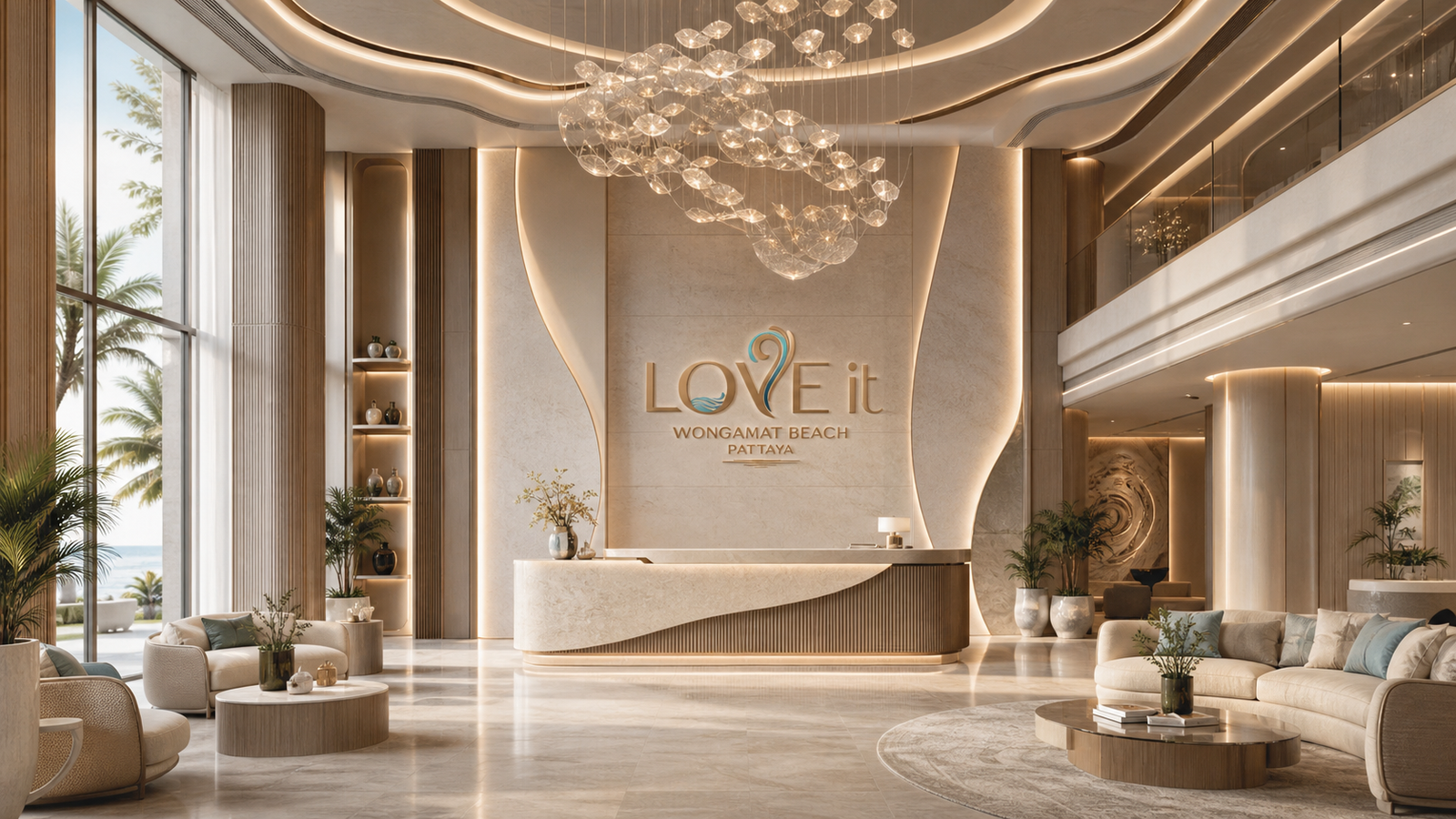
Available
Sea Sky Pattaya is a striking dual-building residential development by Sands, bringing together panoramic sea views and elevated sky-high living in one of Pattaya's most sought-after coastal locations. The project pairs an intimate low-rise (Building A) with a landmark 20-storey high-rise (Building B), giving buyers a genuine choice between boutique-scale living and full skyline panoramas.
OWNERSHIP GUIDE
Foreign buyers may purchase qualifying condominium units subject to the applicable foreign ownership quota, while villas and land commonly involve leasehold structures.
Ownership structures and eligibility can vary. Buyers should obtain independent legal advice before completing a transaction.Next step
Share your requirements, schedule a visit, or browse curated listings by budget, purpose, and location.
FAQ
No. Using a Thai company with nominee Thai shareholders to hold land on a foreigner's behalf is illegal under the Land Code Act and Foreign Business Act, and is actively investigated and prosecuted by Thai authorities.
Yes. Condos and villas in tourism hubs like Phuket, Pattaya, and Bangkok are commonly purchased for rental income, with average gross rental yields around 6% as of late 2025 — though short-term rental rules vary by building and must be checked individually.
Yes, but with restrictions. Foreigners can own condominium units outright (freehold), but cannot directly own land — houses, villas, and land are typically accessed through long-term leasehold or building-ownership structures instead.
It's possible but limited — only a small number of banks offer mortgages to foreign buyers, usually with stricter terms. Most foreign buyers purchase with cash transferred from abroad.
Foreigners can own the building itself (via a superficies right) while leasing the land it sits on for up to 30 years. This separates ownership of the structure from ownership of the land beneath it.
No. Under the Thai Land Code Act, foreigners cannot directly own land, with rare exceptions such as inheritance or specific government investment programs. Land is accessed via registered leasehold instead.
It's not a strict legal requirement, but strongly recommended. An independent Thai property lawyer reviews the purchase agreement, verifies the title and foreign quota, and protects the buyer's interests separately from the developer's or seller's team.
A registered lease can run for a maximum of 30 years. Renewal clauses (e.g. "30+30+30") are commonly offered but are not automatically guaranteed by law — a March 2025 Supreme Court ruling confirmed pre-agreed renewal periods beyond the initial 30 years are not legally enforceable.
A Chanote is the strongest and most secure land title deed in Thailand, with precise, surveyed boundaries and full ownership rights. It's the title type buyers should confirm before purchasing land or a villa built on leased land.
A Foreign Exchange Transaction (FET) form is issued by a Thai bank confirming that purchase funds were transferred into Thailand from abroad in foreign currency. It's required for the Land Department to register a condo purchase in a foreigner's name.
Foreign nationals can collectively own up to 49% of the total sellable area in a registered condominium project; the remaining 51% must be Thai-owned. Buyers should confirm quota availability before purchasing.
Typical costs include a 2% transfer fee and 0.5% stamp duty on freehold property (both based on the government-appraised value), plus an annual land and building tax of roughly 0.02%–0.10% of assessed value for residential property.